
On hidden film gems, long walks from Genex to Rudo, and cinema as a conscious effort
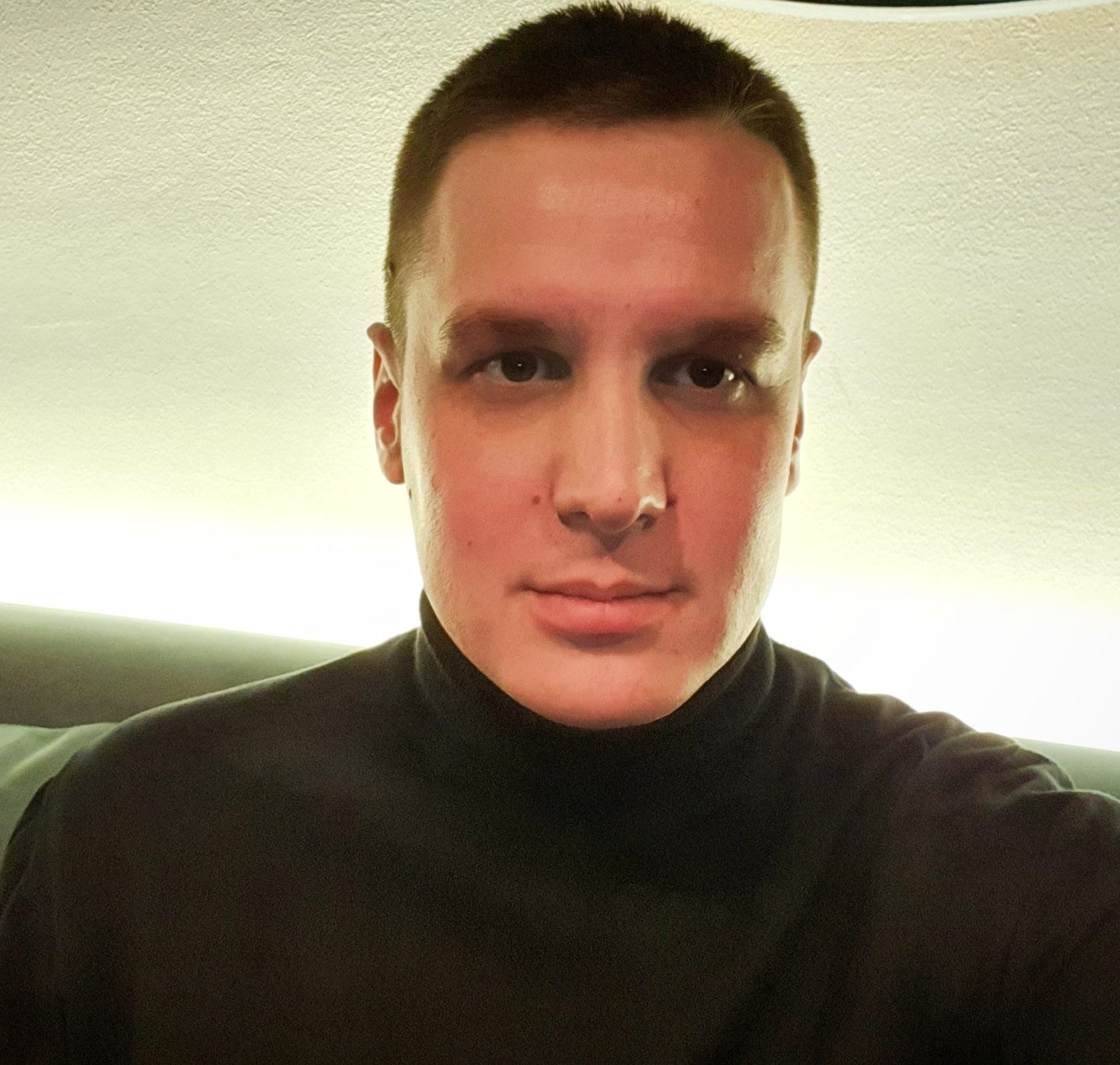
At the 33rd European Film Festival Palić, we met British film critic and writer Neil Young in the courtyard of Hotel President. He was in Palić as part of the festival line-up, leading a workshop for young film critics.
Young is no stranger to Palić. He has been connected with the festival for 15 years, first as a jury member and later as a member of its programming team, through Q&A moderations, workshops and his ongoing involvement in it. Over the years, he has also developed a genuine affection for the region, returning regularly while remaining deeply curious about its cinema, culture and people.
Before we begin, there is one small detail to settle. Although his name is often transcribed into Serbian as Nil Jang, Young himself believes it is more accurately pronounced closer to Nil Jung. We’ll take his word for it.
With more than five decades of film appreciation, writing and festival experience behind him, Young has the rare ability to speak about cinema with both authority and genuine curiosity. He is warm, direct and entirely free of pretension, the kind of person with whom an interview effortlessly turns into a much longer conversation.
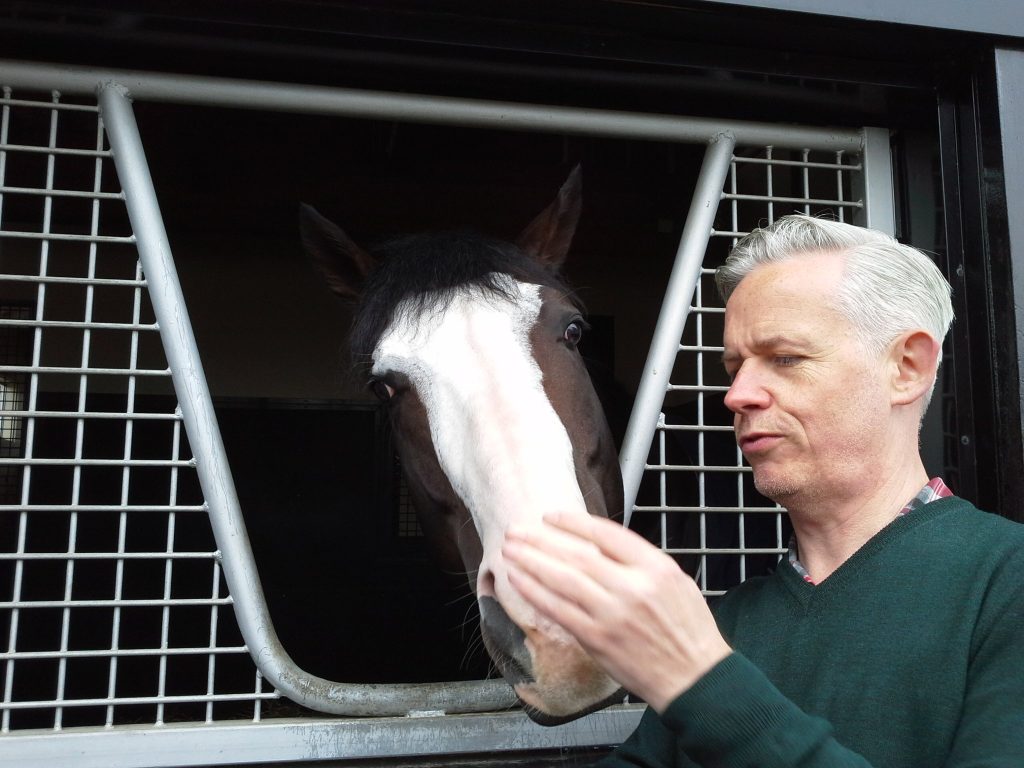
And ours did. Long after we packed the microphones away, we continued talking about films, music, cities and the Balkans. We drifted into discussing the vibe of cities, the places that stay with you and the way walking through them can become a source of inspiration. Young told us about where he comes from, why he chose Vienna as his home, and how often he hears our language there. In Belgrade, one of his favorite walks is from Genex Tower to Rudo, taking him from the western to the eastern edge of the city, a long and slightly unexpected route that seems to fit his curiosity about places and the stories you find when you simply keep walking.
In Zrenjanin, he discovered Genijalac, a beer he described as one of the best he has tried, another unexpected hidden gem picked up along the way. And in that same spirit, he introduced us to NiKola, a punk band from Bečej that was completely new to us and that we might not have discovered otherwise. As someone with a strong connection to underground culture, Young seems naturally drawn to the unpretentious, alternative places where a city’s local creative scene gathers, and he told us about some of the spots he has found in Novi Sad. He left us with a few musical and cultural recommendations, too.
Among the stories he shared was a particularly Belgrade-style anecdote involving Helena Wittmann, a traffic jam, a municipal truck and an improvised plan to beat the congestion, a plan that became considerably less appealing when the driver decided to charge them for the ride.
That same easy curiosity runs through the conversation below. We spoke about cinema and memory, the distinct character of Balkan and Eastern European filmmaking, overlooked directors, film criticism, young cinephiles and the future of cinema. And, fittingly for VAJB, we eventually found ourselves discussing what a good vibe actually means.
I’ve seen films where the clouds in the sky match the clouds on the screen. Outdoor cinema has a lot to recommend it in the summer, for those magical moments.
Nil Jung
For a while, in the courtyard of Hotel President, it felt less like an interview and more like the kind of conversation that reminds you why film festivals are worth travelling to in the first place.
You have been analyzing films for decades. In today’s world, which is moving incredibly fast, do you capture those fragile cinematic moments that refuse to fade away? Can film truly save us from forgetting?
Yes. Although we all remember films differently from how they really are, films linger in the memory. I was five years old when I saw Jaws for the first time in the cinema, and my memory of that is clear.
Cinema is a way of… it lingers in the mind. It mixes with your own memories, with memories of your life, your real life, when you’re not watching films. If you watch a lot of films like I do, go to a lot of festivals and travel, hopefully you create things that will linger in the mind.
But sometimes I stumble across a review of a film that I’ve written and I’ve forgotten that I even saw the film. So I don’t claim to have a perfect memory, but I’ve been watching films for, as you say, more than 50 years, so I can remember the ones I need to remember.
You’re deeply connected to the Balkans and to this festival. From your perspective, what is that authentic vibe of Eastern European cinema? Is it maybe a certain kind of beautiful melancholy that we carry or something else?
Well, it can be called that. Obviously, when we talk about Balkan cinema, we’re talking about Romania, Bulgaria, the ex-Yugoslav countries. It’s a large area of Central and Eastern Europe.
You can generalize about these things, but maybe one of the aspects is that these films tend to have a very direct relationship to the place where they’re made. The Balkan area, even the countries around here, are very varied themselves. I like the fact that films from this area do really feel connected to the place they’re in.
The other thing is that maybe these films are operating on a lower budget than they would if they were made in France, Germany, or Sweden. So you film in your area, you use people you know, maybe family members, and that can often add to the films having more depth and richness.
I like seeing an old film from the 1930s or 1940s where you see New York, Paris or London and they filmed it in the real streets. Because, then even a fictional film becomes a sort of time-travel possibility.
Nil Jung
At VAJB, we like to say that we create a space for thoughts that are in no rush. When the cinema lights go down and you’re left alone with the screen, what is the emotion you’re looking for most? And what makes a film deeply personal to you?
The emotion I’m looking for is hopefully a range of emotions. I was thinking the other day about Ted with Mark Wahlberg. In that film, I remember crying with humour and also crying with sadness.
I don’t mind crying at films. It’s nice to be able to have that emotional exercise. I watch some horror films, too, and it’s nice to get a disturbance from those sorts of films.
I think you have to be open to all… to the emotion that’s in the film, and that it transmits to you. You shouldn’t be able to see it coming. It should be a surprise. If it’s a real emotion, then you have no control over it, and it’s nice to lose control in the cinema if you’re in the right hands.
If you want to give control to a good filmmaker who knows what they’re doing, then the emotion they create will be a real one.
As for what makes a film deeply personal to me, I respond to films that are filmed in real locations. I like seeing an old film from the 1930s or 1940s where you see New York, Paris or London and they filmed it in the real streets. Because, then even a fictional film becomes a sort of time-travel possibility, and you can see details in the background.
I’m not a big fan of studio filming. When they go inside a studio, I can feel my interest level dip. So then the actors have to be even better when they’re in the studio. I understand why studio shooting is done, but whenever I see that a film was made on real locations, then my interest is increased. So I would say that’s a personal response.
As a programmer who once shaped the unique cinematic landscape of European Film Festival Palić, which films from this year’s selection do you feel carry the most authentic, uncompromising energy? What should our readers absolutely not miss?
There is a film from a Slovenian director, Olmo Omerzu, called Ungrateful Beings, which I saw when it premiered at another festival a few months ago, and I would recommend that film. It’s mainly filmed in Croatia, in fact, on the seaside.
He’s a Slovenian based in the Czech Republic, and this film was filmed in Croatia. He’s a very interesting director in his early 40s, and he’s made several films, and pretty much all of them are worthwhile.
So if you want a name to watch then Olmo Omerzu is one.
There’s also a short film from Austria which I actually programmed in the Vienna Shorts festival, that I work for, called wedLOCK tradWIFE by Gabriele Neudecker. Which is showing in the Her Lens programme of shorts by female filmmakers, and it’s a very brilliant political experimental film.
Since I live in Austria, I should really pick an Austrian film to recommend.
Cinema is something you have to go to. Television comes to you, so you have to make an effort.
Nil Jung
Writing about arts is never neutral in some way. As a critic, do you see your work merely as an analysis of format and direction, or as an emotional archive of our time?
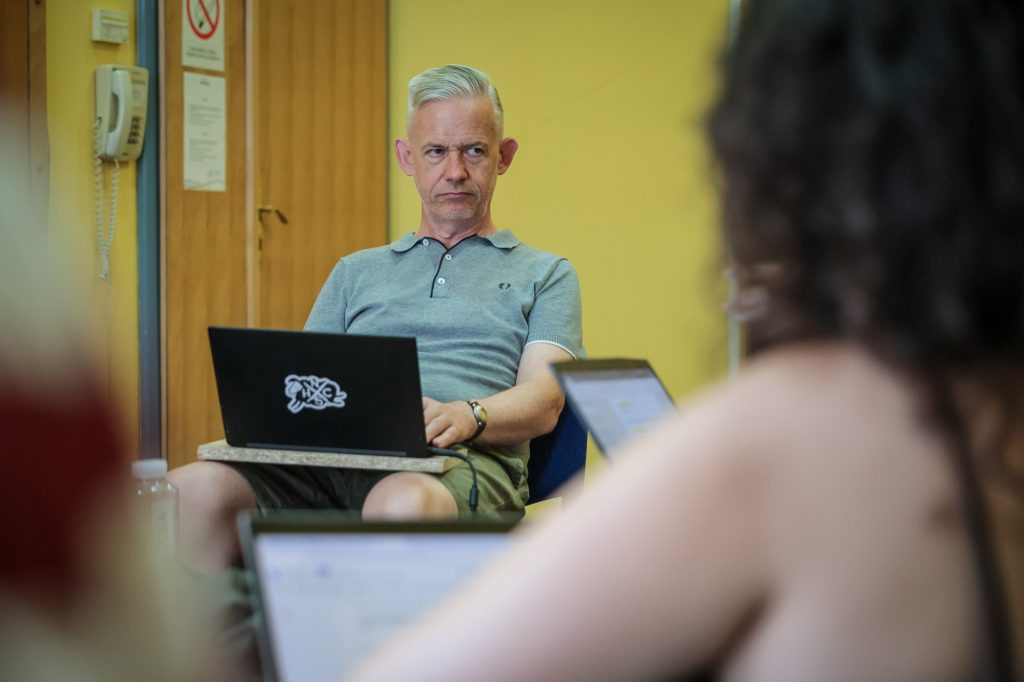
To say that my reviews are an emotional archive of our time would be a bit too grandiose for me. But, you know, my website, jigsawlounge.co.uk, has reviews that I’ve written going back to the year 2000. So it is a 25-year record of something.
I also like to write about going to new places and travelling and seeing new things. So, I think maybe eventually it does build into something where you can hopefully lose yourself in these hundreds and thousands of reviews and writings.
I try not to be too… It depends on who I’m writing for. If I’m writing for a magazine or for my own website, or whatever it is. Obviously if you’re writing for your own website or blog or Substack or something like that, you have a lot more freedom to express yourself. And the times you have to worry are when you have to please the editors.
I like to combine writing about cinema with writing about places and travel. So I think the articles I like the most are the ones that manage to give an atmosphere of the place and not just about the films that you see.
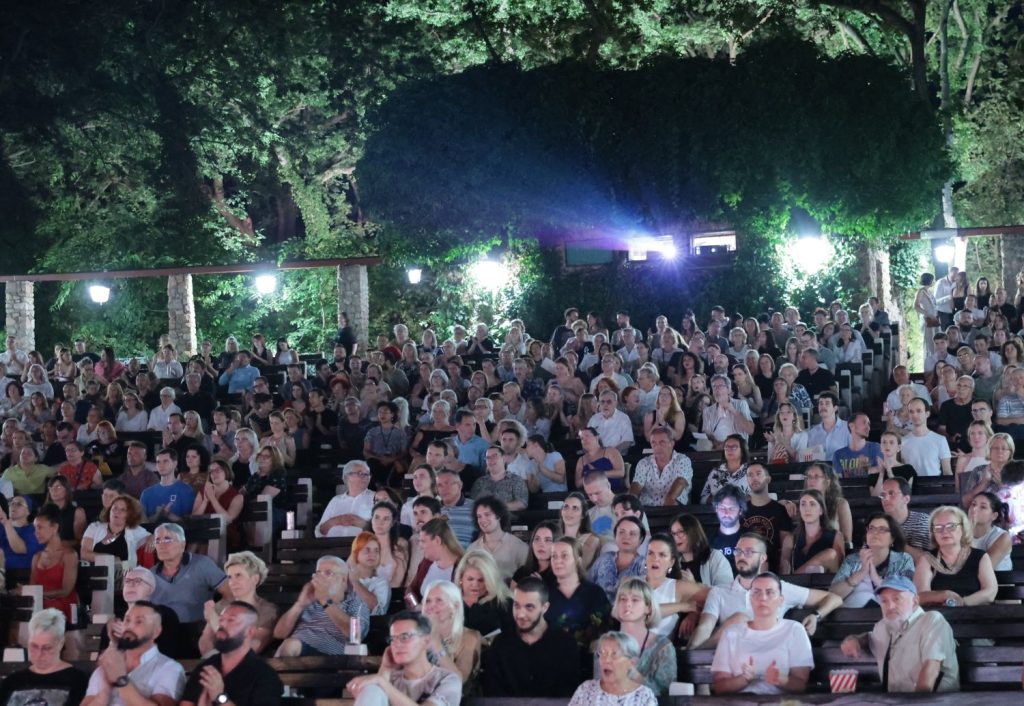
Somewhere like the Summer Stage here is a very evocative setting to watch a film. And if the magical moment comes — you wouldn’t write about that in a review for Variety magazine, but if I was doing a festival report, you know, I might say, oh, you know, I saw this remarkable film in the setting of, you know, the first time I came here.
The first time I came here, I saw Elena by Zvyagintsev, the Russian film, and to see it in this setting really added a lot. I’ve seen films where the clouds in the sky match the clouds on the screen. Outdoor cinema has a lot to recommend it in the summer, for those magical moments.
Everybody talks about Rivette and Godard and Chabrol and Truffaut, who are all wonderful. But for me, Pialat was the king.
Nil Jung
Cinema is full of hidden gems that standard film history often forgets. If you could create a secret watchlist of overlooked masterpieces – I am thinking about films with a distinct vibe and atmosphere that every true cinephile must experience – which titles would be on it?
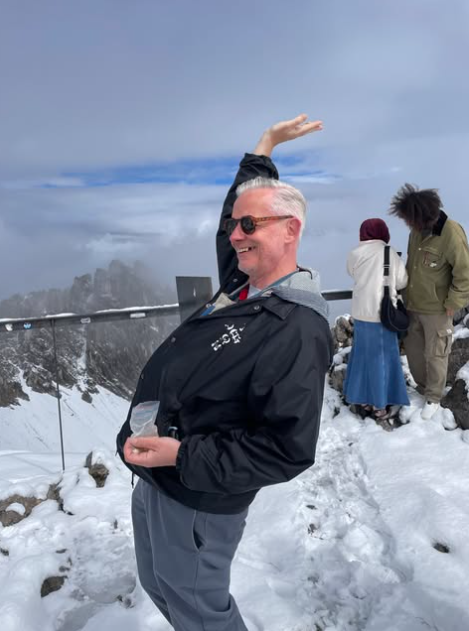
I would say the films of Jürgen Böttcher. He’s a German filmmaker, he’s in his 90s, still alive — 95, I think — and he made some remarkable documentaries. He lived in East Berlin and was always based in the eastern part of Germany.
He did a documentary about travelling in Georgia in the 1980s called In Georgia, which is a remarkable film. He also made another one about sculptors working in a quarry called Im Lohmgrund. I think he is a hidden master of cinema. One day he may leave us, and at that point everybody will be saying – ‘We discovered the amazing work of Böttcher.‘
My favorite directors who perhaps aren’t known as much as they should be would include Böttcher, but also Aleksei Balabanov, who was a Russian director, and Lino Brocka, who was a director from the Philippines, and his films are now getting restored. For example, Sean Baker was promoting his film Bona, which was in Cannes a couple of years ago.
The films of Lino Brocka evoke life in the Philippines, but I always say that his film Jaguar from 1978 is the closest I’ve ever seen to a film about my childhood in Sunderland, UK. Even though the cities are completely different, the way he evokes that period and that place took me back to growing up in the northeast of England. And if you can do that while filming in Manila, I think you’ve made a great achievement.
So Lino Brocka is definitely one to dig into.
And one last one is Maurice Pialat, the French director, who is also quite well known. But again, I think he’s one of the great filmmakers who doesn’t get enough attention. Everybody talks about Rivette and Godard and Chabrol and Truffaut, who are all wonderful. But for me, Pialat was the king.
It’s very encouraging that young people in their 20s are so engaged. Their Letterboxd accounts are filling up, they have great attention and interest. It’s very nice to see that the next generations are there.
Nil Jung
Can you tell me something about the workshops you’re doing here in Palić?
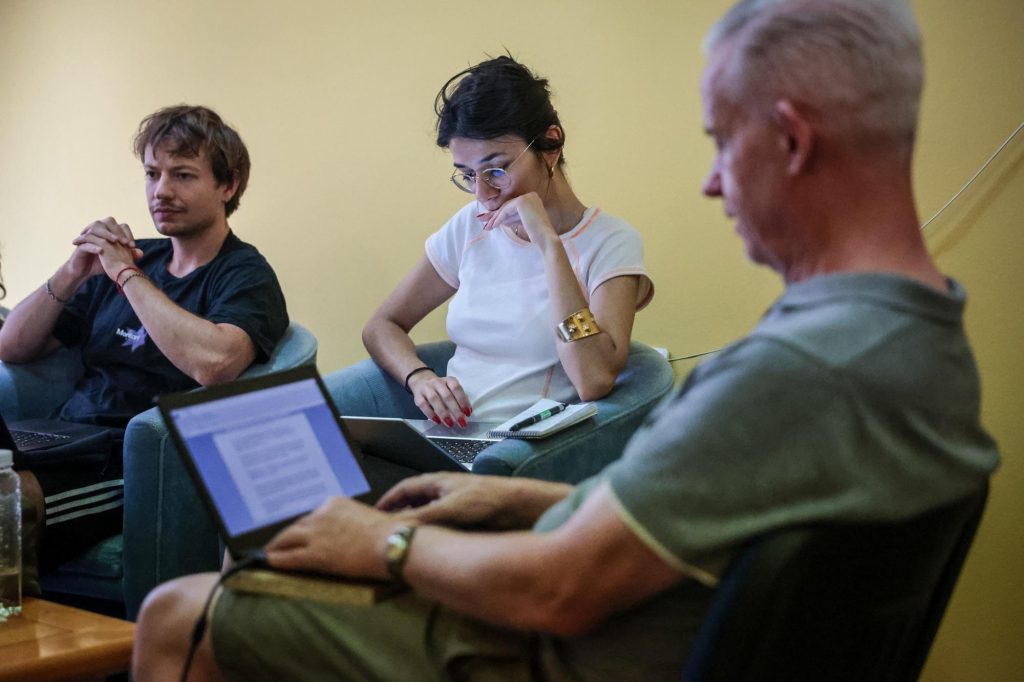
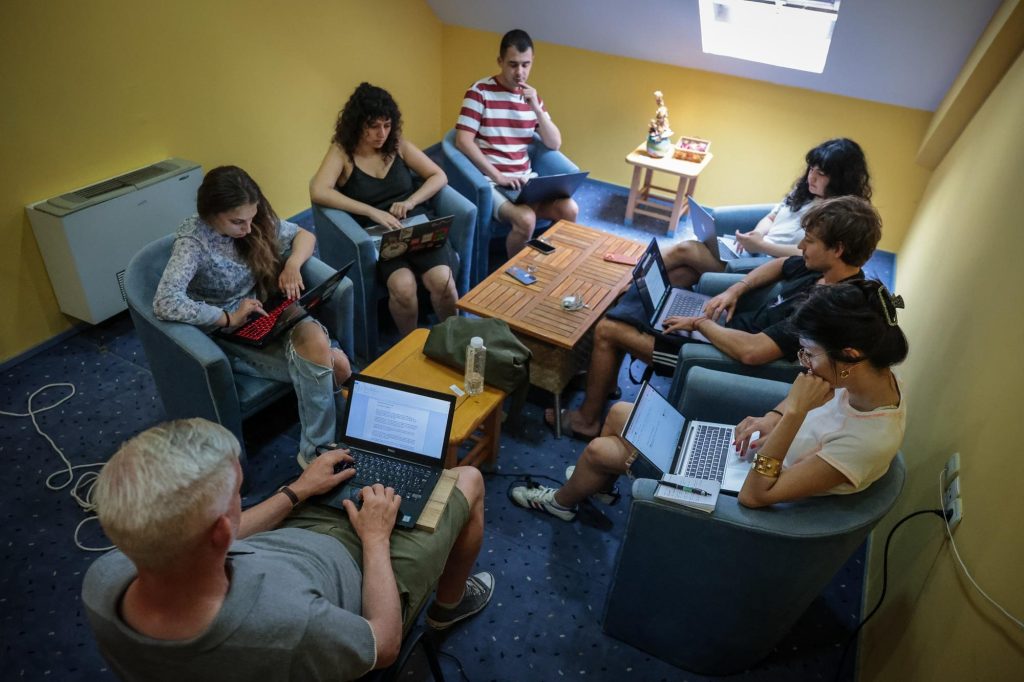
This is MIOB – Moving Images Open Borders, which is a network of six film festivals in Europe dedicated to European films, such as Palić, Les Arcs in France, Trieste in Italy, Linz in Austria, Scanorama in Vilnius and Cottbus in Germany.
They organize a lab of creative journalism on cultural topics, specifically film in this instance. We have six participants who come from different parts of Europe, from Turkey, Bulgaria, Bosnia … We work together, workshop their reviews, and their writing gets published on the festival’s website, the MIOB website, and also on Cineuropa.
It’s a nice way for them to experience a film festival. None of them had been to Palić before, so they get to see this very beautiful part of the world. Today we also had a visit from one of the press jurors, an American critic who talked about his career. It’s a practical workshop which is intended to improve their confidence in writing in English and their engagement with cinema.
It’s very encouraging that young people in their 20s are so engaged. Their Letterboxd accounts are filling up, they have great attention and interest. It’s very nice to see that the next generations are there.
We keep hearing about the death of cinema, that cinema is dying and people don’t watch films. But then The Odyssey has just taken a quarter of a billion dollars at the box office over the World Cup weekend, and Obsession is still doing very well at the box office.
When you actually meet young people and overhear them talking about cinema, it really shows that there is a future for cinema, and there always will be. There are always challenges and threats, but as long as young people don’t spend their whole lives watching streaming and stuff on their phones, they will go to the cinema if you make films that are worth going to the cinema for.
Cinema is magic.
Cinema is something you have to go to. Television comes to you, so you have to make an effort.
It’s nice to see the films, but the point of a festival is kind of a pretext for people to come together, I think. So it’s a nice excuse.
Nil Jung
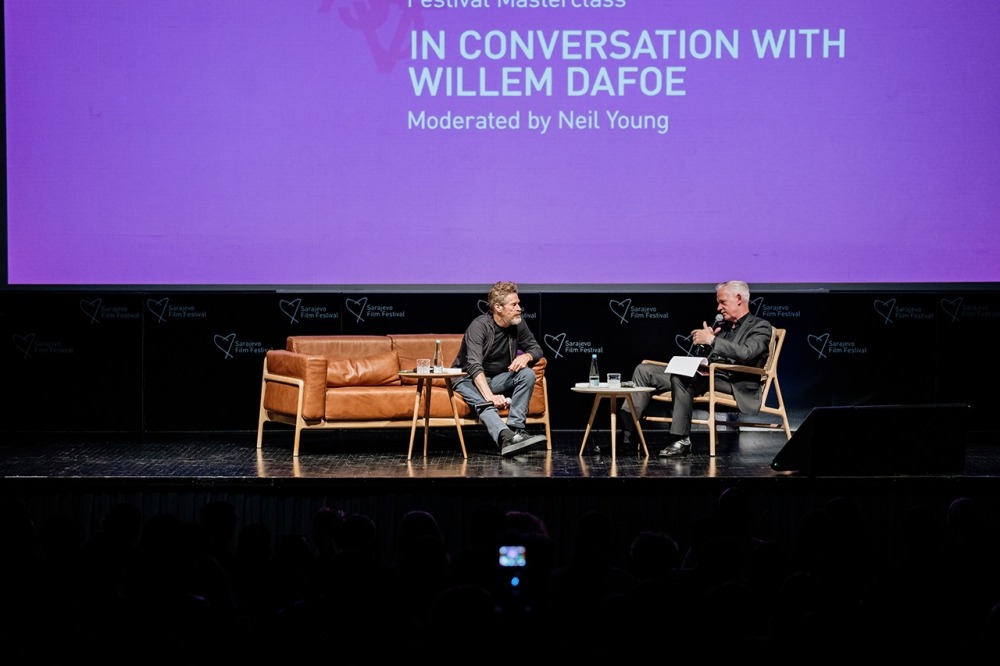
We are from VAJB Magazine. In that spirit, what is a good vibe for you personally?
To be with people you know and like, and maybe some people you don’t know yet and get to know them. I think that’s a pretty good definition of a good vibe.
The weather shouldn’t be too hot, there should be nice food and drink available, and maybe some nice music as well.
I think the vibe always comes down to the people you’re with. If the people have good vibes, then the vibe is good.
But it should be a mixture. There should be some people you’ve known for decades, some people you’ve known for days, and some people you meet that night.
That’s the nice thing about a film festival. It’s always an excuse to come together, for us strange people who watch too many films. It’s nice to see the films, but the point of a festival is kind of a pretext for people to come together, I think. So it’s a nice excuse.
